
The LEF Foundation has awarded 14 Moving Image Fund grants totaling $270,000 in support of feature-length documentary works by New England-based filmmakers.
The LEF Moving Image Fund invests in feature-length documentary films that demonstrate excellence in technique, strong storytelling ability, and originality of artistic vision and voice. The most recent round of awards includes eight grants of $15,000 to projects at the Production stage and six grants of $25,000 to projects at the Post-production stage.
The grantees for this round of the Moving Image Fund include films grounded in singular lived experiences and films that attempt to unpack much larger systems and structures that shape our world. All of the films are deeply rooted in their respective places, whether they are locations steeped in personal or political history, enduring communities, or geographies that extend beyond immediate perception. This round of grants emphasizes the unique lenses of New England-based filmmakers, reflecting a broad diversity of approaches to nonfiction filmmaking, spanning patient verite, the inquisitively essayistic, personal lyricism, and self-reflexive forms.
PRODUCTION

Blindball (w/t)
Directed and Produced by Carla Borrás (MA) and Jessica Massa
25 athletes. 6 months. 9 spots on Team USA. More than a gold medal at stake. In the Bronx, an under-resourced team of baseball players — some born blind, others having recently lost their sight — train for the world cup of blind baseball. The athletes, men and women ages 20 to 70, face obstacles on and off the field in this genre-defying documentary about what it looks, sounds, and feels like to live boldly without vision.
Caretakers
Directed by Ambrus Hernadi (MA)
Produced by Rita Balogh
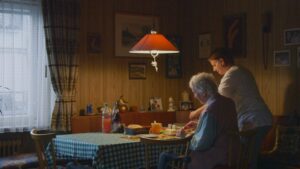
Caretakers is an observational documentary following two Hungarian women, Zsuzsa and Beata, as they navigate the hidden struggles of undocumented caregiving in Germany and in the U.S. Balancing family ties, isolation, and an uncertain future, their journeys expose the harsh reality of migrant caregivers, revealing a system that benefits from their work while refusing their recognition.
Eurydice in the Underworld
Directed by Felicity E. Palma (RI)
Eurydice in the Underworld is a handmade experimental film that examines the effects of cancer treatment on a young working-class woman’s body. Using performance, soundscape, interventions with the lens and the filmic body, and the texts and diaries of Kathy Acker who died from the disease, the film explores notions of isolation and alienation set within a landscape that is intimately connected to the artist’s own cancer treatment and heritage.
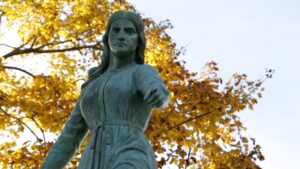
HANNAH
Directed by Siobhan Landry (MA) and Angie Morrill
Produced by Siobhan Landry and Carolyn Shadid Lewis
In 1697 Hannah Dustin was taken captive. She returned in possession of ten native scalps, including those of women and children. HANNAH documents how the Hannah Dustin story is presented today, alongside a dialogue between female-identified artists, both native and white, who are drawn in by the legend. The film is an unsparing consideration of colonial violence as well as a creative and humorous exploration of how these kinds of stories might be told differently.
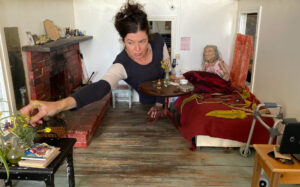
Heaven Through the Backdoor
Directed by Anna Fitch and Banker White (MA)
Produced by Sara Dosa, Hannah Roodman, and Banker White
Part myth, part documentary, HEAVEN THROUGH THE BACKDOOR explores the mystery of death through the unconventional friendship of Anna & Yo, two kindred spirits born 49 years apart. Using intricately built miniature sets, puppetry, and other creations, the film juxtaposes intimate vérité of Yo’s last year with Anna’s wildly imaginative interpretations of her stories. It is in this invented, magical world that our film takes place.

Highest Nature
Directed by Elle Rinaldi (CT)
Following the flight paths of a young bird watcher and a birds of prey showing duo, we observe two very different breeds of environmentalists: one who observes, classifies, and questions the environment and our relationship to it from a distance; and two committed to education through captivity, training, and showmanship. Both of their unique approaches reveal the natural world’s beauty and brutality, teaching us how to look, listen, and be better creatures in our environment.
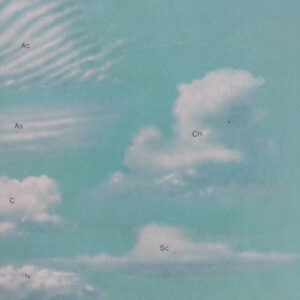
Memory of Lightning
Directed by Riccardo Giacconi (MA)
Produced by Fabrizio Polpettini
The film follows a 30-year-old radio producer as she records voices and sounds in a small rural village, summoning the distant memory of a violent act that the local community still grapples with. Through her microphones, she facilitates a sort of séance, where the past is brought to the surface through conversations and by listening to soundscapes at various crime scenes as if searching for phantom radiation that still resonates in the air. The film aims to evoke the practice of radio-making in the form of a portrait within a portrait.

The Teachers Project (working title)
Directed by Luke Meyer (MA)
Produced by Luke Meyer, Raoul Meyer, Tom Davis, and Jenna Sauers
THE TEACHERS PROJECT is a compelling, character-driven journey into the lives of American educators as they navigate the intensifying culture war that has enveloped the nation’s schools since 2020. As political battles over sanctioned ideas, books, and lesson plans rage from national headlines to local school boards, the film reveals the devastating consequences of this chaos and conflict for teachers, students, communities, and the future of American education.
POST-PRODUCTION
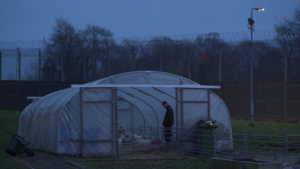
Beyond the Fold
Directed and Produced by Ross McClean
Produced by Bronte Stahl (RI), Ross McClean, and Roisín Geraghty
Ryan finds peace working with sheep inside a Northern Irish prison. Faced with a hostile environment upon release, he looks to find a place for himself.
Chelsea (working title)
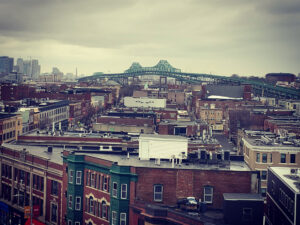
Directed by Jenny Alexander and Sabrina Avilés (MA)
Chelsea is a Latinx immigrant city in New England that has long been overlooked. Three community leaders are fighting against the myths and realities that face their community to uplift their city. What happens when you believe in yourself when no one else does?
Cosmic Moose and Grizzly Bears Ville
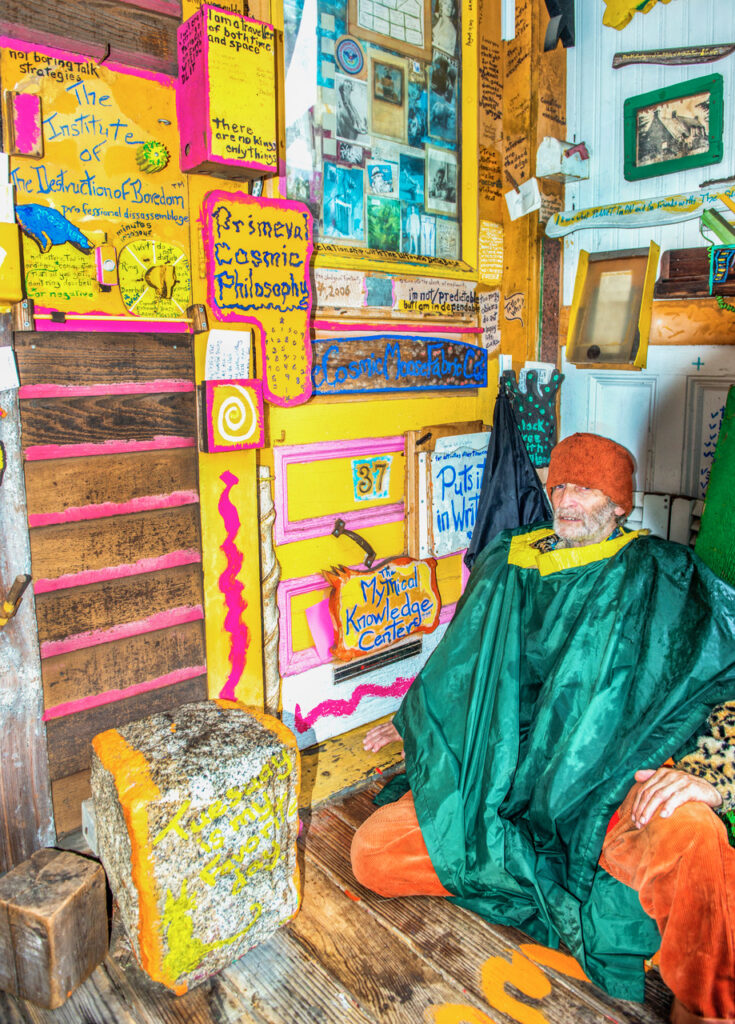
Directed by Amber Bemak (MA)
Produced by Zoe Sua Cho (CT)
Peter Valentine, living on disability in an apartment, fought MIT while they demolished his neighborhood to develop University Park, claiming he couldn’t leave because it was his electromagnetic laboratory. Eventually, MIT gifted him the entire building, moving it to another street. Peter was diagnosed schizophrenic and unmedicated all his life.
Early Mourning, Tarpon Springs
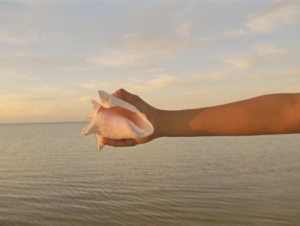
Directed and Produced by Jodie Mack (VT)
Traversing people and peepholes, socioeconomic and school class, pressure and pleasure, witness and whiteness, this animated, auto-erotic and auto-ethnographic feature film locates strange threads between mediumship and the photographic medium. A bereaved sibling approaching the 30-year anniversary of her sister’s car-crash death sets out to create a homespun epic funeral, driving around schools and strip malls of Florida and uncovering familial, sexual, ecological, and historical ghosts.

My Skin and I
Directed by Milton Guillén and Fiona Guy Hall (VT)
Produced by Milton Guillén, Fiona Guy Hall, May Odeh, and Zorana Mušikić
An exiled Nicaraguan music producer living in Berlin pursues a dangerous creative obsession that he fears conflicts with the needs of his family.
The River
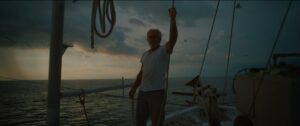
Directed by Caitlyn Greene
Produced by Sara Archambault (RI), Caitlyn Greene, and Department of Motion Pictures
THE RIVER is a vivid, character-driven film about Louisiana’s complex relationship with the Mississippi River.
“As the Moving Image Fund rounds out its first quarter-century of supporting filmmakers in New England, we find ourselves in a climate that is threatening to independent creative voices,” said Lyda Kuth, LEF Executive Director. “The films receiving grants this year are a remarkable cross section of the vibrancy and creative risk-taking that LEF will continue to champion in the region and beyond.”
“I grew up in New England, surrounded by film programs that were supported by the LEF Foundation. From DocYard to CIFF and beyond, the artists whose stories came out of these communities showed me the power of cinema to open minds to lives different than ours, while also illuminating our shared humanity,” said grantee Carolina Borrás. “My co-director Jessica Massa and I could not be more honored to now have the chance to be the storytellers, with the support of this LEF Moving Image Grant.”
The formal grant review process began in early winter when LEF received 96 eligible letters of inquiry at its January 2025 deadline for Production and Post-production. These proposals were evaluated by a group of three New England-based filmmakers serving as peer readers, in addition to LEF staff.
Of these initial inquiries, 30 projects were invited by LEF staff to submit a full application, including 22 finalists in Production and 8 finalists in Post-production. All 30 full applications were then evaluated by a peer review panel made up of filmmakers and professionals from across the U.S. who represent a diversity of perspectives on documentary. Peer reviewers remain anonymous and change at every round.
“At LEF, we aim to provide support for a community of filmmakers over time by going beyond the grant to offer all of our applicants 1:1 peer review feedback, guidance, and connections to other capacity-building resources,” said LEF Program Director Genevieve Carmel.
“Having support from LEF at the pre-production, production, and post-production phases of this piece has enabled my work to travel conceptually deeper, formally larger,” said grantee Jodie Mack. “Through their support, I am able to advance my craft in the pursuit of animated nonfiction.”
“While the Moving Image Fund is structured around project-based support,” said Carmel, “we know the ripple effects that offering both grant funding and constructive feedback can have – beyond propelling a film project forward, it can encourage the creative growth of a filmmaker, deepen their contributions within a regional creative economy, and build recognition for their voice within the larger field of filmmaking.”
In addition to this group of grantees, LEF also awarded $47,500 to 11 projects in Early Development and Pre-production earlier in the fiscal year. In total, LEF will be distributing $317,500 in funding to documentary productions over the course of its 2024–25 fiscal year. After 25 years since its inception, the Moving Image Fund has awarded over 500 grants totaling more than $5.5 million in filmmaker support.
The next Moving Image Fund grant deadline is Friday, August 8 for New England-based directors and producers seeking Pre-production and Early Development support for feature-length documentaries.
You can find more details regarding LEF Moving Image Fund guidelines and eligibility on our website.
You can subscribe to LEF’s mailing list to receive a monthly newsletter and the latest updates about grantee news, filmmaker opportunities, and calls for Moving Image Fund submissions. For more information on the Foundation or its funded projects, please contact Program Officer Matthew LaPaglia at matthew@lef-foundation.org.